
Phone:+86-13952799285
A manual toothbrush is only three parts: a plastic handle, a head holding roughly 2,000 to 3,000 nylon filaments, and a way to keep those filaments from falling out. That simplicity is why a factory can produce one for a few cents, and it is also why people try to build one on a workbench.
The short answer comes first. In a factory, a toothbrush is made by injection molding the handle from plastic pellets, driving bundles of nylon filament into holes in the head with a tufting machine, and then rounding every filament tip so it cannot cut the gums. Nothing is glued in a standard manual brush. When you make one at home, you replace those three industrial steps with hand tools and adhesive, and the result is a working prototype rather than a reliable product.
The Manufacturing Sequence, Step by Step
Factory production follows six stages, and each one has a measurable tolerance. A small error at any stage shows up later as a loose tuft or a scratchy tip.
- Design and mold making. The handle, neck and head are designed as one molded part, and a steel mold is cut to produce it. Tools usually carry several cavities, so a single cycle yields many handles.
- Injection molding. Plastic pellets are dried, melted above 200 degrees Celsius and injected into the closed mold. After a few seconds of cooling, the handle drops out. Cycles run from about 15 to 40 seconds depending on wall thickness.
- Filament feeding. Nylon filament arrives on spools. A tufting machine cuts a bundle to length, folds it in half and drives it into a hole in the head, where a small metal staple or a molded anchor locks it in place.
- End rounding and trimming. Cut filament has a sharp edge, so the head passes through a grinding process that turns each tip into a small dome, and a trimmer levels the surface afterward.
- Testing. Tufts are pulled at a set force to confirm they stay in the head, filament diameter is measured, and heads are checked for sharp points and missing tufts.
- Cleaning and packing. Finished heads are washed or sanitized, handles are printed or labeled, and the brush is sealed into a blister or a paper box.
What Each Part Is Made Of
Material choice is not cosmetic. It decides how the brush feels in the mouth and how long it survives hot water and toothpaste.
| Part | Common material | Why it is used |
|---|---|---|
| Handle and neck | Polypropylene, PCTA polyester, or bamboo | Rigid enough to grip, flexible enough at the neck, and stable in hot water |
| Bristle filament | Nylon 6-12 or PBT | Rounds cleanly at the tip and keeps its shape when wet |
| Tuft anchor | Brass or stainless wire, or a copper-free hot melt anchor | Locks the filament bundle inside the head; copper-free options keep metal away from the gums |
| Vent holes | Same plastic as the handle | Let water drain from the back of the head after rinsing |
An Electric Toothbrush Is a Different Project
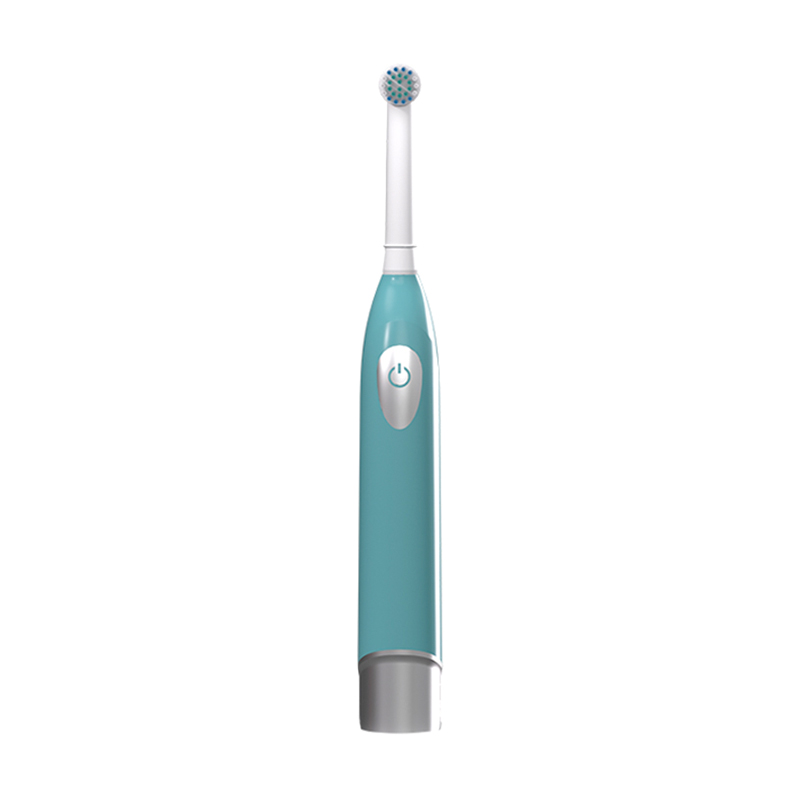
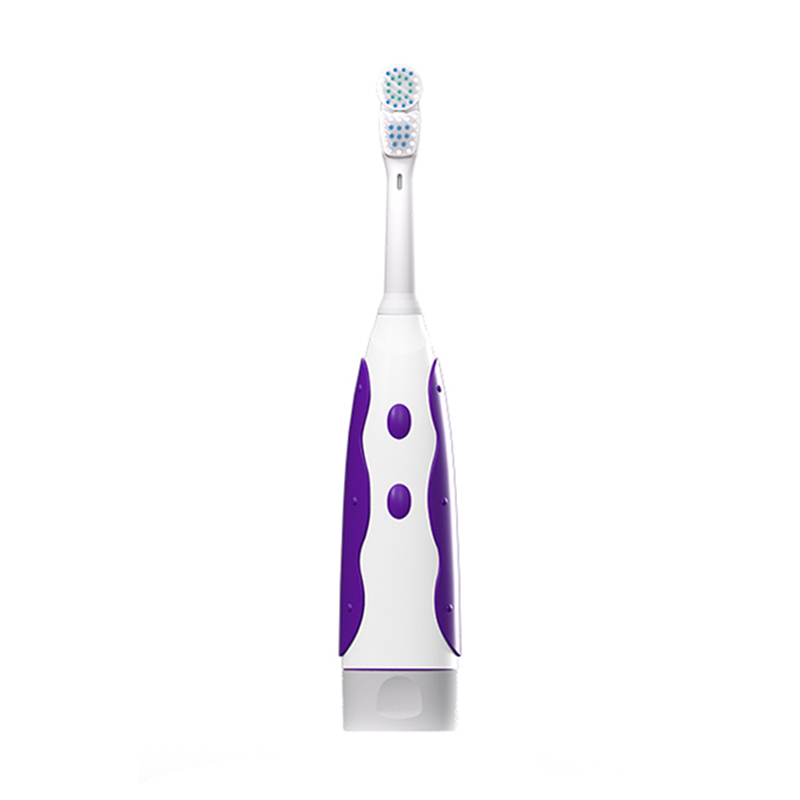
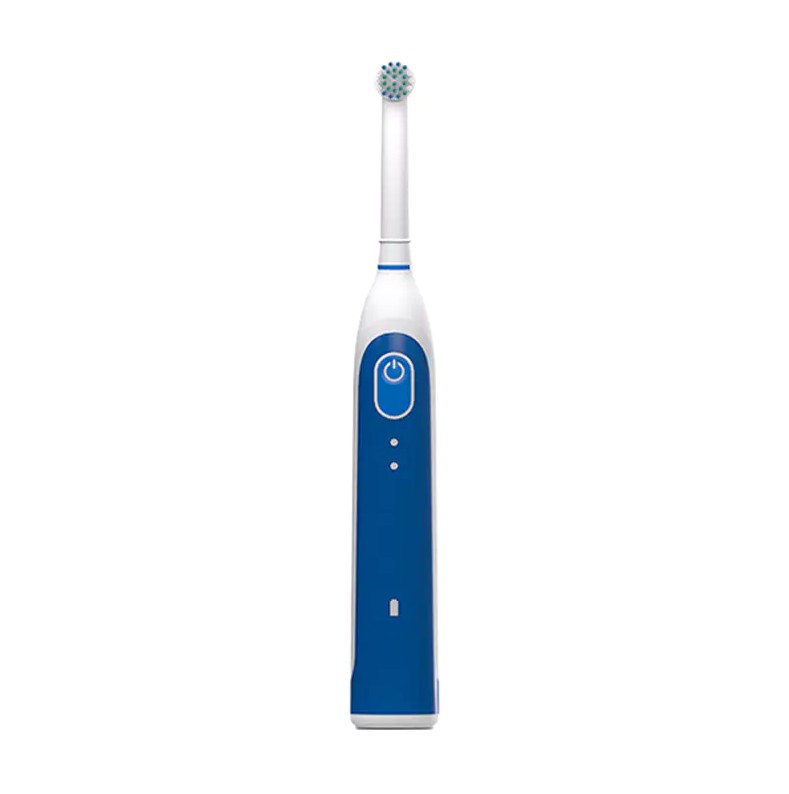
Add a motor, a battery, a circuit board and a sealing system, and the difficulty changes completely. A sonic brush can vibrate around 33,000 times per minute, while an oscillating head may run near 6,000 oscillations per minute with a small rotation. The drive train has to survive years of wet use, and water resistance is graded rather than assumed: IPX4 covers splashes, IPX7 covers short immersion.
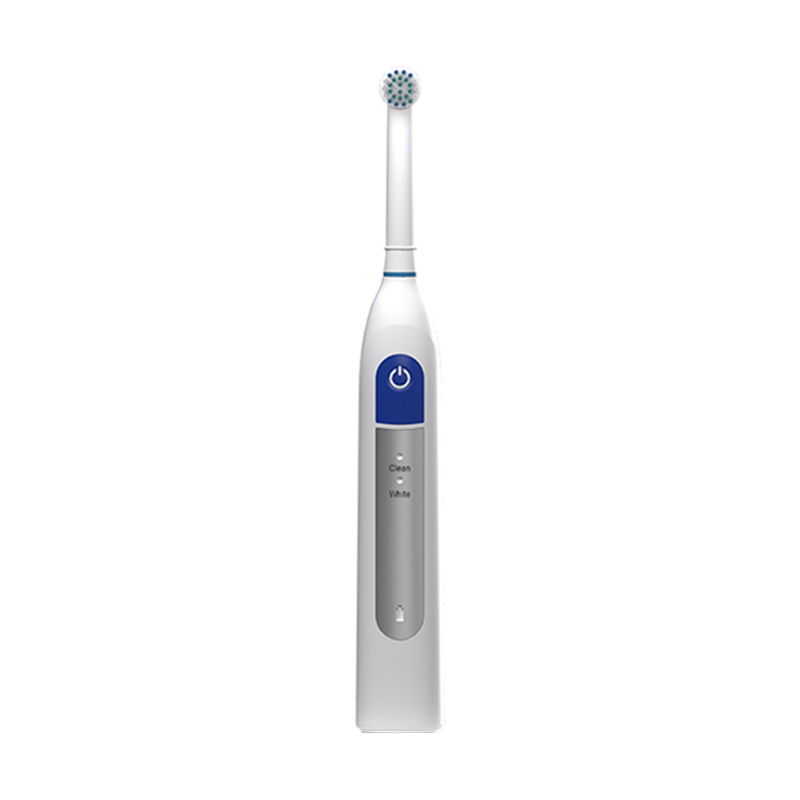
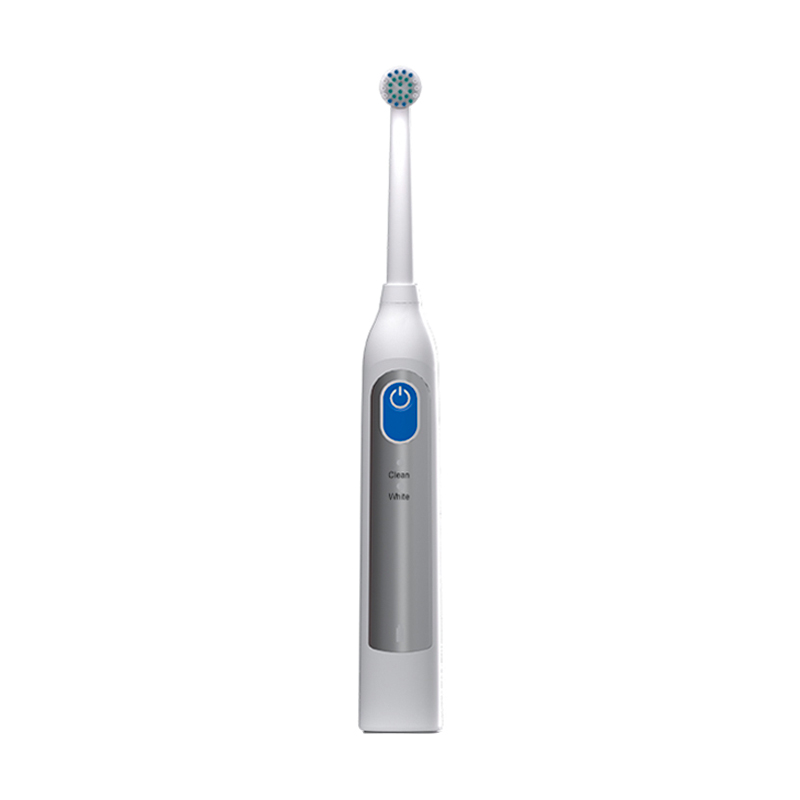
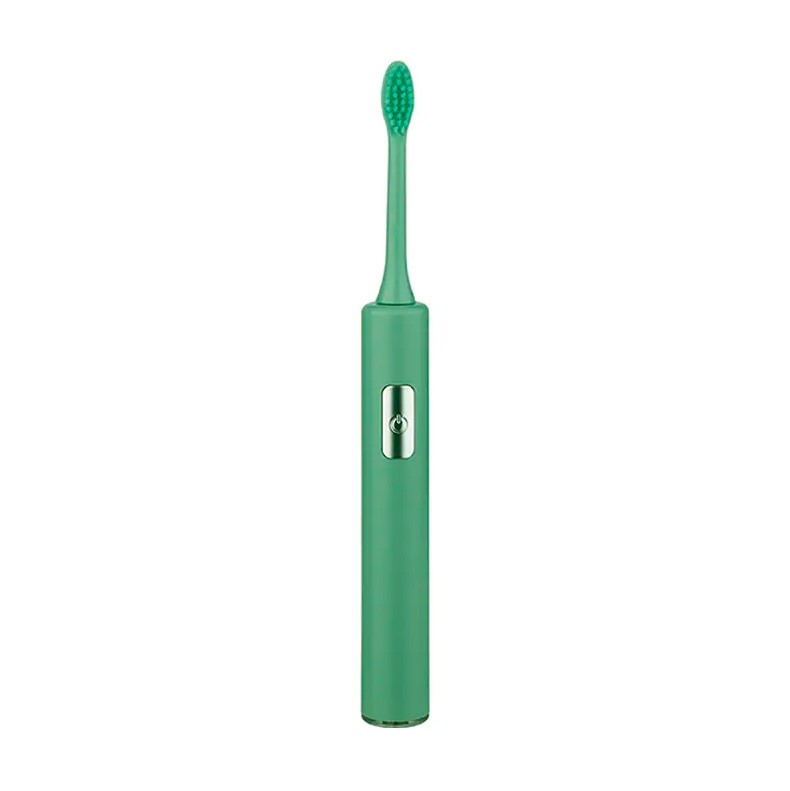
Home builders usually stop at the manual version, because battery safety, charging contacts and pressure sensing carry the most risk. A factory handles those parts with a full assembly line, which is why a rechargeable sonic model such as this adult USB brush looks simple from the outside and is complicated inside.
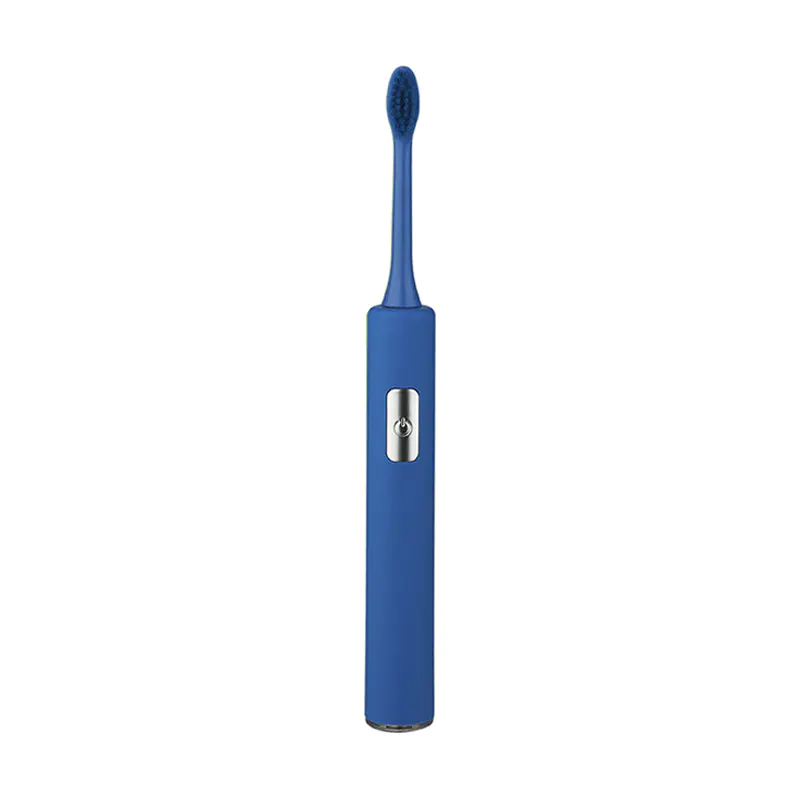 ALB-959 USB Rechargeable Sonic Electric ToothbrushThis adult rechargeable sonic brush offers cleaning and whitening modes, IPX7 waterproofing, and about 60 days of battery life for daily care.View Product →
How to Make a Toothbrush at Home
A home build makes sense as an experiment, a repair, or a teaching project. The method below produces a brush that looks right, though it will not pass the tests a factory runs.
- Shape the handle. Use a 3D printed part, a hardwood handle or a plastic chopstick. Keep the head about 25 millimeters long with 10 to 15 holes of 1.6 to 2 millimeters in diameter.
- Pick the filament. Nylon fishing line between 0.15 and 0.20 millimeters behaves like a soft bristle. Boar bristle also works, but it holds water longer.
- Cut and insert. Cut filaments to roughly 11 millimeters, fold each bundle in half and press it into a hole so both ends point outward.
- Lock the tufts. Use fully cured two part epoxy, a melted plastic pin, or a small stainless staple. Adhesive must be completely set before the brush goes near your mouth.
- Round the tips. Rub the bristle surface against fine wet sandpaper, then rinse thoroughly. This single step prevents most of the gum irritation a homemade brush can cause.
A twig brush is the oldest version of the same idea: cut a fresh twig, strip the bark and pound one end until the fibers separate into a brush. It works as a chewing stick, but the fibers fray quickly and cannot be rounded, so it is not a replacement for a normal brush.
Two Details That Decide Comfort and Hygiene
The first is the filament tip. A dense tuft of fine, rounded filament cleans the gaps between teeth and the gum line better than a sparse tuft of coarse filament, because each tip reaches into the space without pressing hard on the gum. Copper-free hot melt anchoring and high density planting pack more filaments into the same head area without making the brush feel stiff.
The second is drying. Water collects in the holes on the back of a brush head and stays there in a closed cabinet. A breathable head uses vent holes, and often a flexible spiral wire at the top, so air moves through the head and reduces residual moisture and the bacterial growth that follows it. The reasoning behind why toothbrushes need to be breathable is simple: a brush that dries is a brush that stays cleaner between uses.
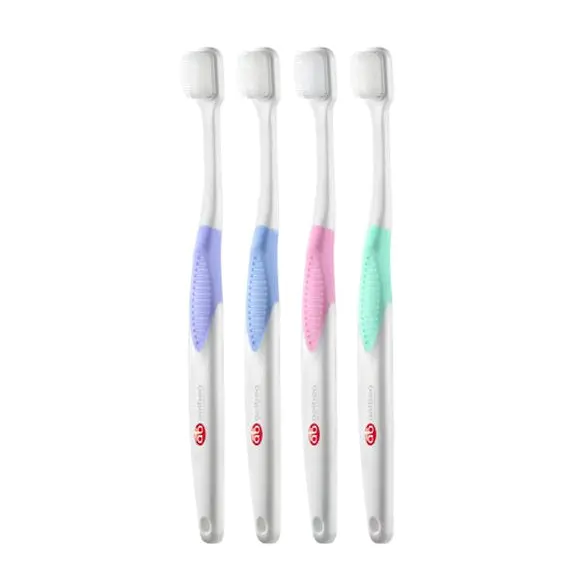
 ALB-4016 Breathable Soft-Bristled Wide-Head ToothbrushA breathable manual toothbrush with a wide head, dense soft filaments, and a ventilated back, aimed at sensitive gums and less moisture between uses.View Product →
If You Would Rather Buy Than Build
Producing a toothbrush properly needs tooling and testing equipment, so most people end up buying one. Four checks cover almost everything that matters.
- Bristle softness. Soft suits most adults. Super soft is the safer starting point for children and for anyone with receding gums.
- Head size. A small head reaches the back teeth and the inner surfaces without forcing the jaw open.
- Tuft retention. Tug one tuft gently with a fingernail. It should not move or shed filament.
- Drying design. Vent holes matter if you store the brush in a closed cabinet or a travel case.
Replace the brush every three months, or sooner when the filaments splay outward. If you are shopping for a child, the priority shifts to a small head and a very soft filament, which is the exact combination a super soft small head brush is built around. For adults, compare head shape and bristle stiffness before you compare price.
 LB-4508 Kids Super Soft Small Head ToothbrushA child-focused manual toothbrush combining a small head, velvety soft bristles, a breathable eye hole, and a rubber handle for easier daily brushing.View Product →
Standards Behind a Real Toothbrush
Consumer brushes are tested against published standards rather than internal opinions. The relevant documents cover general safety requirements for toothbrushes and oral care products, antibacterial toothbrushes, manual interdental brushes, electric toothbrushes, and green design evaluation rules for powered models. They set limits on filament pull-out force, sharp edges, material safety and, for electric brushes, battery and waterproofing performance.
Aolbea, a Ningbo based oral care manufacturer that began as a plastic mold factory in 1986, is one of the companies that took part in drafting several of those documents, including the safety requirements for toothbrushes and oral care products and the standard for electric toothbrushes. For a buyer this matters in a practical way: a brush produced under a published method is tested the same way every time, rather than against a factory's own definition of acceptable.
Making a toothbrush comes down to three things: a molded or carved handle, filament bundles locked into the head, and tips that are rounded before the brush ever meets a gum. Industry does it with steel molds, tufting machines and pull tests. A workbench version is a good weekend project, but it skips the testing that keeps a brush safe for daily use. Whether you build or buy, judge the result by the same questions: how soft the filament is, whether the tufts are tight, and whether the head can dry.