
Phone:+86-13952799285
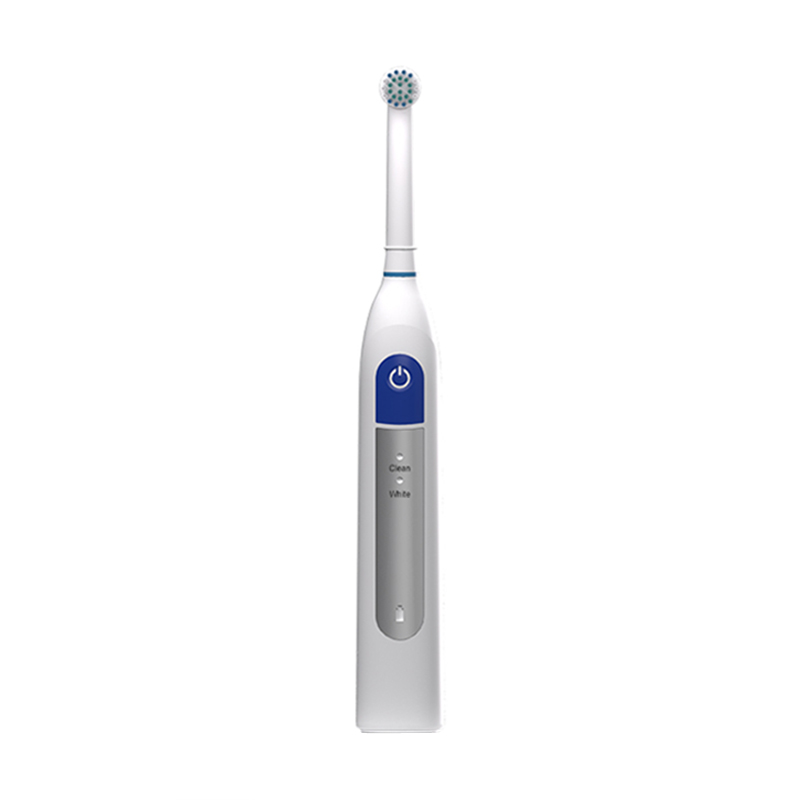
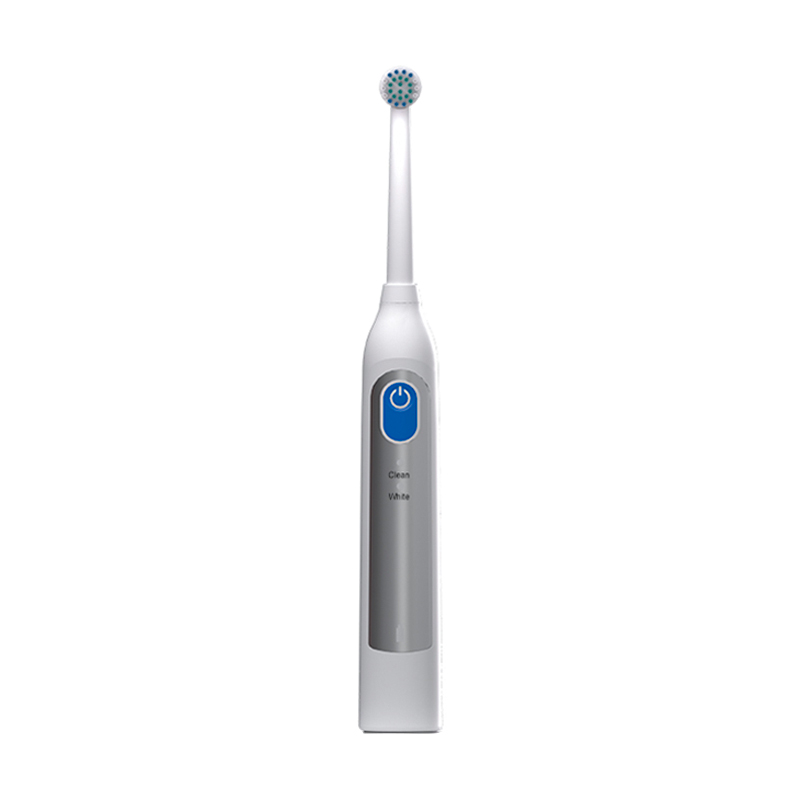
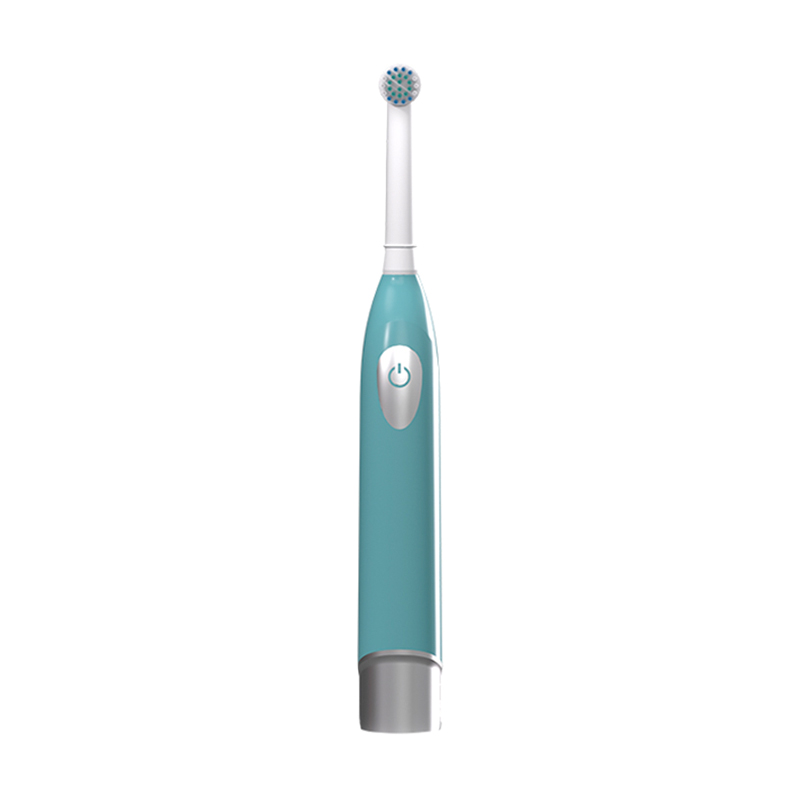
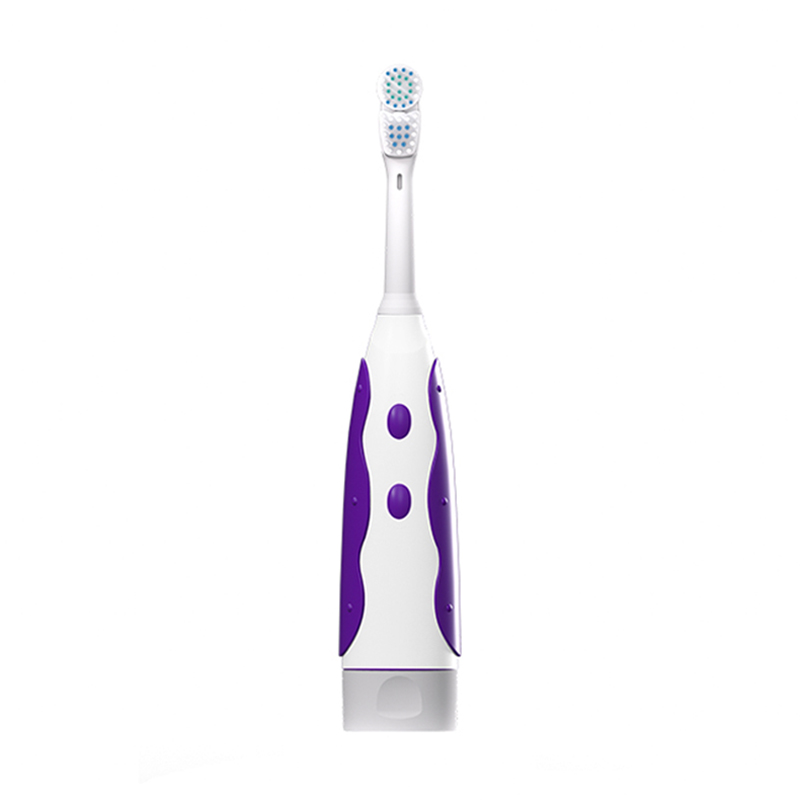
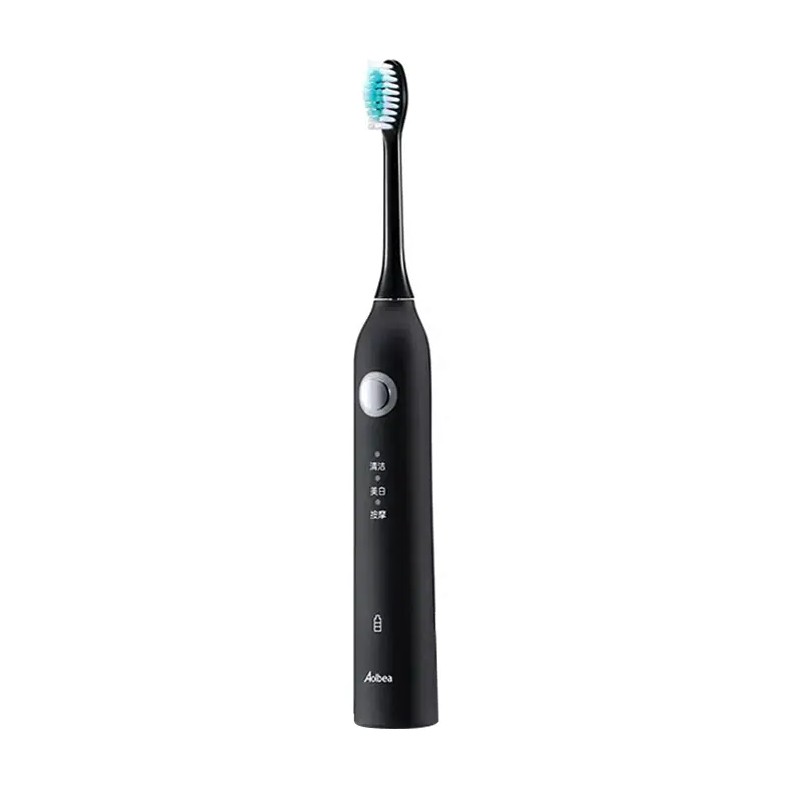
İyi yapılmış bir sonik şarj edilebilir elektrikli fırça genellikle 3 ila 5 yıl arasında uygun bakım ile, sap ve motor genellikle bu aralıktan daha uzun süre dayanırken, fırça kafalarının kendilerinin çok daha erken değiştirilmesi gerekir. Genel kullanım ömrünü belirleyen iki bileşen, yüzlerce şarj döngüsünde yavaş yavaş kapasitesini kaybeden şarj edilebilir pil ve aşınma fark edilmeden önce milyonlarca titreşime dayanacak şekilde tasarlanmış sonik motordur. Bir kalite Sonic Şarj Edilebilir Elektrikli Fırça Bu ömrü daha ucuz alternatiflerin çok ötesine uzatmak için özel olarak dayanıklı dahili bileşenlerle tasarlanmıştır. Aşağıdaki bölümlerde fırçanın her bir parçasını neyin etkilediği ve cihazınızdan en uzun süre nasıl yararlanabileceğiniz açıklanmaktadır.
Pil Ömrü ve Şarj Döngüleri
Sonik elektrikli fırçanın içindeki lityum iyon pil, cihazın genel ömrünü en çok sınırlayan bileşendir. Pil üreticileri tarafından yayınlanan genel lityum iyon pil araştırmasına göre, bu piller genellikle uzun süre boyunca güçlü performansı korur. 300 ila 500 tam şarj döngüsü Kapasite gözle görülür şekilde azalmadan önce. Haftada yaklaşık bir kez şarj edilen bir fırça için bu, pil yeniyken olduğundan daha kısa bir şarj süresine sahip olana kadar yaklaşık 3 ila 5 yıllık güvenilir kullanım anlamına gelir.
Pil Aşınmasının Belirtileri
- Fırçanın yeniyken olduğundan daha sık şarj edilmesi gerekiyor
- Titreşim yoğunluğu tam şarjda bile zayıflıyor
- Pil göstergesi kullanım sırasında beklenenden daha hızlı bitiyor
Motor Dayanıklılığı ve Titreşim Çıkışı
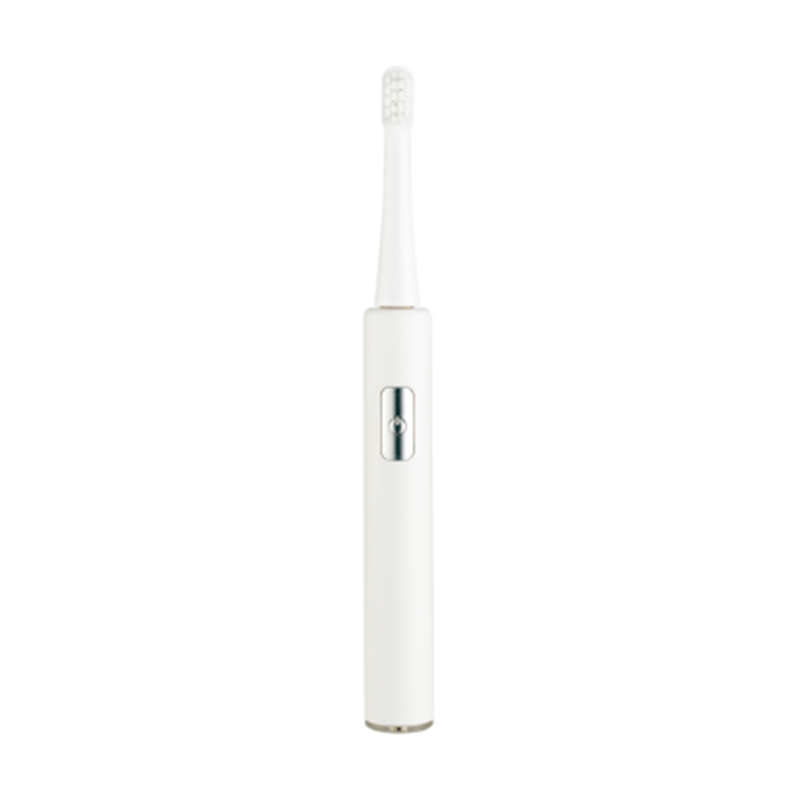
Sonik motor, genellikle aralıktaki hızlı titreşimlerin üretilmesinden sorumludur. Dakikada 30.000 ila 40.000 hareket Sonic fırçaları standart döner elektrikli diş fırçalarından ayıran özellik. Bu motorlar su hasarına karşı dayanıklı olacak şekilde yalıtılmış bileşenlerle üretilmiştir ve mekanik aşınma titreşim tutarlılığını etkilemeden önce genellikle günde iki kez kullanımla birkaç yıl boyunca güvenilir şekilde çalışacak şekilde derecelendirilmiştir.
Motorun Daha Uzun Ömürlü Olmasına Ne Yardımcı Olur?
Fırçalama sırasında dişlere ve diş etlerine aşırı baskı uygulanmasından kaçınmak, motor ve tahrik mekanizması üzerindeki gerilimi azaltır; çünkü birçok sonik fırça, genellikle manuel fırçalamada kullanılan daha sıkı basınç yerine hafif temas basıncıyla çalışacak şekilde tasarlanmıştır. Daha yüksek kaliteli modellerdeki yerleşik basınç sensörleri, kullanıcıların bu hafif dokunuşu otomatik olarak sürdürmesine yardımcı olur.
Fırça Başlığı Değiştirme Programı
Sapın aksine, fırça başlıkları sarf malzemesidir ve cihazın içindeki motor veya pil ömründen çok daha sık değiştirilmeleri gerekir. Amerikan Diş Hekimleri Birliği'nin diş sağlığı kılavuzu, elektrikli fırça başlıkları da dahil olmak üzere diş fırçası başlıklarının değiştirilmesini önermektedir. her 3 ila 4 ayda bir çünkü kıllar etkinliğini kaybeder ve düzenli kullanımla yıpranabilir.
Fırça Başlığının Değiştirilmesi Gerektiğini Gösteriyor
- Kıllar yıpranmış, yayılmış veya şekli bozulmuş gibi görünüyor
- Birçok fırça başlığının yerleşik aşınma göstergesi olarak kullandığı kıl rengi soluklaştı
- Fırça artık plak çıkarmada eskisi kadar etkili hissetmiyor
Bileşenler Arası Ömür Karşılaştırması
Fırçanın farklı parçalarının farklı oranlarda aşındığını anlamak, cihazın ömrü boyunca bakım ve değiştirme maliyetlerine ilişkin gerçekçi beklentiler belirlemenize yardımcı olur.
Bileşen Ömrü Genel Bakış
| Bileşen | Tipik Ömür | Aşınmanın Ana Nedeni |
| Fırça Başlığı | 3 ila 4 ay | Düzenli kullanımdan dolayı kılları yıpranıyor |
| Pil | 3 ila 5 yıl | Zamanla şarj döngüsünde bozulma |
| Motor ve Kol | 5 yıl veya daha fazla | Uzun süreli günlük kullanımdan kaynaklanan mekanik aşınma |
Ömrü Kısaltan Faktörler
Çeşitli günlük alışkanlıklar, sonik elektrikli fırçanın kullanım süresini kısaltabilir; bu durum, çoğu zaman kullanıcı, performans gözle görülür biçimde düşene kadar bunun nedenini anlamadan gerçekleşir.
Erken Aşınmanın Yaygın Nedenleri
- Fırçayı gerektiği gibi şarj etmek yerine sürekli olarak şarj tabanında bırakmak
- Fırçanın nemli ortamlarda uygun şekilde kurutulmadan saklanması
- Fırçalama sırasında dişlere aşırı baskı uygulanması
- Fırça başlıklarını önerilen değiştirme aralığının çok ötesinde kullanmak
Şarj Alışkanlıkları Pil Ömrünü Nasıl Etkiler?
Lityum-iyon piller, akıllı telefon ve dizüstü bilgisayar pillerinde görülen davranışa benzer şekilde, uzun süre boyunca sabit tam şarjda tutulduğunda daha hızlı bozulur. Fırçayı her zaman şarj tabanında bırakmak yerine pil seviyesi düşükken şarj etmek, pil kapasitesinin uzun vadede korunmasına yardımcı olur. Çoğu üretici, pilin her kullanımdan sonra tamamen doldurulması yerine, tamamen şarj edilmeden önce periyodik olarak bitmesine izin verilmesini önerir.
Yardımcı Olan Basit Şarj Alışkanlıkları
- Fırçayı her kullanımdan sonra değil, pil göstergesi düşük gösterdiğinde şarj edin
- Fırçayı haftalarca kullanmadan şarj cihazında bırakmaktan kaçının
- Fırçayı aşırı sıcak veya soğuk yerine oda sıcaklığında saklayın
Suya Dayanıklılık ve Uzun Ömürdeki Rolü
Sonik fırçalar ıslak banyo ortamlarında kullanıldığından, suya dayanıklılık değerleri, motor ve pilin ömrünü kısaltabilecek iç hasarların önlenmesinde doğrudan rol oynar. Birçok kaliteli sonik fırça, IPX7 su geçirmezlik derecesine sahiptir; bu, sapın, IEC 60529 giriş koruma derecelendirme sistemi kapsamında tanımlanan bir standart olan, 30 dakikaya kadar bir metre derinliğe kadar suya tamamen batmaya dayanabileceği anlamına gelir. Bu düzeyde bir sızdırmazlık, iç bileşenleri, düşük kaliteli cihazlarda korozyona ve erken motor arızasına neden olan neme maruz kalmaktan korur.
Beklenen Kullanım Ömrünün Göstergesi Olarak Garanti Kapsamı
Garanti süreleri genellikle bileşen testlerine ve arıza oranı verilerine göre belirlendiğinden, üretici garantisinin uzunluğu genellikle bir şirketin dahili bileşenlerin güvenilir bir şekilde çalışmasını beklediği süreyi yansıtır. Birçok sonik elektrikli fırçanın garantisi şu şekildedir: 1 ila 2 yıl Kolu ve motoru kaplayan bu parça, birçok ünite garanti süresinin çok ötesinde çalışmaya devam etse de, alıcılara üreticinin arkasında durduğu minimum kullanım ömrü için yararlı bir temel sunar.
Sonic Fırçanızın Ömrünü Uzatmak
Birkaç tutarlı alışkanlık, hem sapın hem de pilin güvenilir kalma süresini anlamlı şekilde uzatabilir ve erken değiştirme ihtiyacını azaltabilir.
Uzun Süreli Kullanım İçin En İyi Uygulamalar
- Her kullanımdan sonra sapı ve fırça başlığını iyice durulayın
- Fırçayı ıslakken kapalı bir kapta saklamak yerine açık havada kurumaya bırakın
- Kılların gözle görülür şekilde yıpranmasını beklemek yerine fırça başlıklarını zamanında değiştirin
- Sürekli şarj etmek yerine üreticinin önerdiği şarj modelini izleyin
Fırçanın Tamamı Ne Zaman Değiştirilmeli?
İyi bakım yapılsa bile, pili önemli ölçüde zayıflamış veya motor performansı tutarsız olan bir cihazı kullanmaya devam etmektense kolun tamamını değiştirmenin daha mantıklı olduğu bir nokta gelir. Pil tüm gün kullanım için artık şarj tutmuyorsa, cihazın yeni olduğu zamana kıyasla titreşim yoğunluğu belirgin şekilde azaldıysa veya sapta suya dayanıklılığı tehlikeye atabilecek gözle görülür çatlaklar varsa, genellikle yeni bir ünite düşünmenin zamanı gelmiştir. Birini seçmek Sonic Şarj Edilebilir Elektrikli Fırça Dayanıklı, yalıtılmış bir motor ve başlangıçtan itibaren kaliteli bir lityum iyon pil ile üretilmiş olması, yedek cihazın ileriye dönük olarak aynı uzun yıl kullanım ömrünü sunmasına yardımcı olur.